
Description
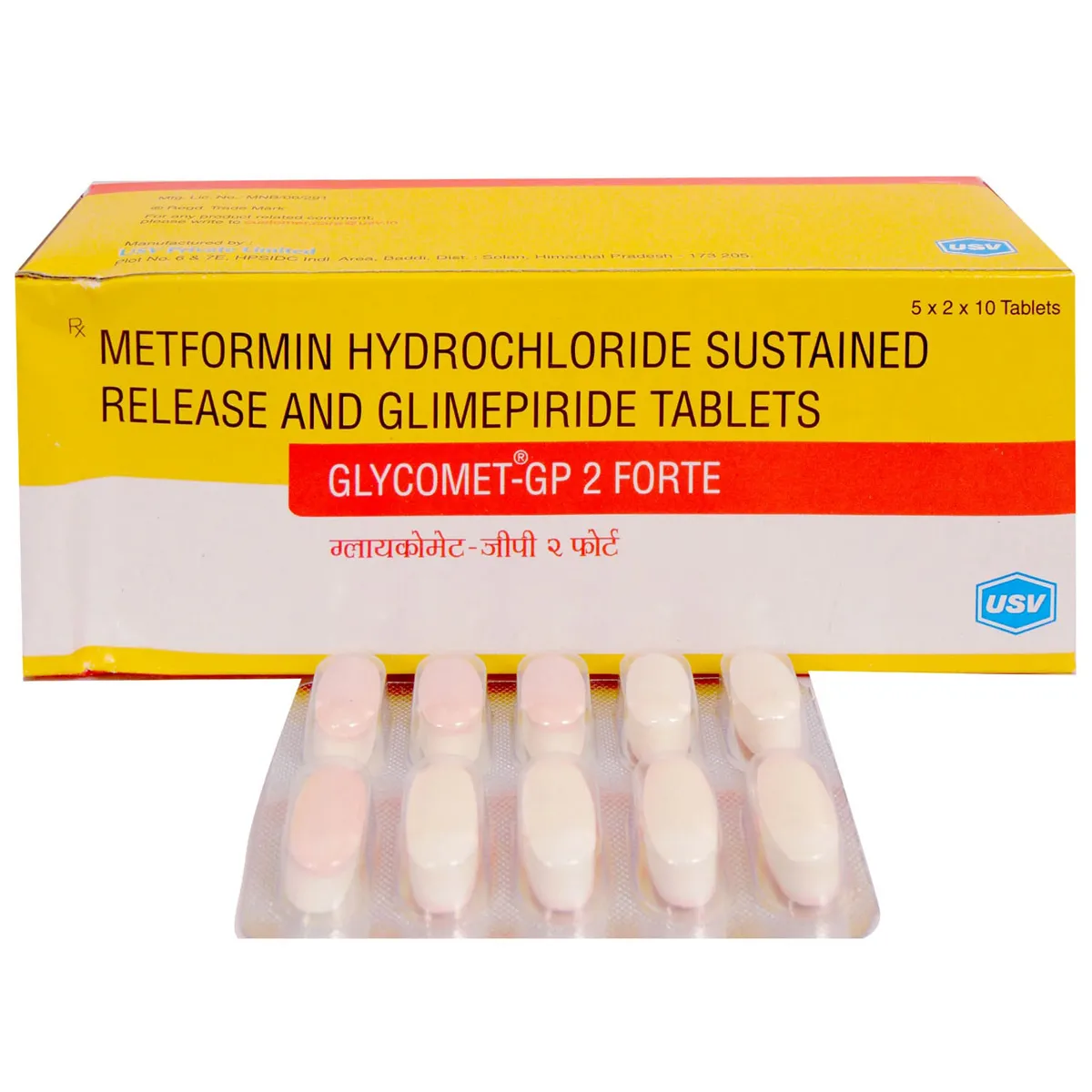
Introduction About GLYCOMET GP2 FORTE TABLET
Glycomet GP2 Forte Tablet is a combination medication that contains two active ingredients such as Glimepiride and Metformin. This medication is primarily used to manage blood sugar levels in individuals with type 2 diabetes. Glimepiride works by stimulating the pancreas to produce more insulin, while Metformin improves the body’s response to insulin. Together, they help lower blood sugar levels and improve overall glycemic control.
Glycomet GP2 Forte Tablet should be taken with food. To get the best results, take it consistently at the same time every day. Your doctor will determine the appropriate dose for you, which may be adjusted over time based on your blood sugar levels.
Continue taking this medicine, even if you are feeling fine or your blood sugar levels are under control. Stopping it without consulting your doctor could cause your blood sugar levels to rise, increasing the risk of kidney damage, blindness, nerve issues, and limb loss. Keep in mind that this medication is just one part of your management plan, which should also include a healthy diet, regular exercise, and weight loss as recommended by your doctor. Your lifestyle is crucial in managing diabetes.
The most common side effect of this medication include nausea, dizziness, low blood sugar, taste disturbance, diarrhea, stomach pain, loss of appetite and upper respiratory tract infection. It is important to recognize the signs of low blood sugar symptoms such as sweating, dizziness, headache, and shaking, and know how to manage it. To reduce low blood sugar, make sure to eat regularly and carry a quick source of glucose, like sugary food or fruit juice. Be cautious with alcohol, as it can increase the risk of low blood sugar. Some people may also experience weight gain while taking this medicine.
Before taking this medication, make sure to tell your doctor if you have any type 1 diabetes, diabetic ketoacidosis (high blood acid levels), or severe kidney or liver disease or heart problems. Pregnant or breastfeeding women should consult their doctor before taking it. It is important to regularly check your blood sugar levels, and your doctor may recommend blood tests to monitor your blood cell counts and liver function.
Uses Of GLYCOMET GP2 FORTE TABLET
Benefits of GLYCOMET GP2 FORTE TABLET
01.Helps manage blood sugar levels in Type 2 Diabetes: Designed to assist in controlling blood sugar, helping maintain healthy glucose levels.
02.Combines the power of Glimepiride and Metformin for effective results: The combination of two active ingredients works synergistically to improve blood sugar regulation.
03.Reduces the risk of complications associated with high blood sugar: Helps lower the chance of developing complications like nerve damage, kidney disease, and cardiovascular issues.
04. Supports better glycemic control: Offers improved management of blood sugar spikes, contributing to overall health and well-being.
How GLYCOMET GP2 FORTE TABLET Works
Glimepiride stimulates the pancreas to release more insulin. Insulin is the hormone that helps lower blood sugar by allowing cells to take up glucose from the bloodstream. Metformin primarily works by reducing the amount of glucose produced by the liver. It also helps increase the sensitivity of muscle cells to insulin, making it easier for them to absorb glucose.
This combination therapy helps manage blood sugar levels more effectively in people with Type 2 diabetes.
How to use GLYCOMET GP2 FORTE TABLET
Follow your doctor’s instructions regarding the exact dosage. Do not exceed the recommended daily dosage.
How to Take Glycomet GP2 Forte Tablet?
- Typically, take once daily with food to avoid gastrointestinal discomfort.
- It is recommended to take Glycomet GP2 Forte Tablet during your evening meal. This helps minimize any potential stomach discomfort and ensures better absorption of the medication.
- Swallow the tablet whole with a glass of water. Do not crush, chew, or break the tablet.
- For best results, take the tablet at the same time each day.
What if I forgot to take GLYCOMET GP2 FORTE TABLET
- If you miss a dose, take it as soon as you remember unless it is almost time for your next dose. In that case, skip the missed dose, do not double up to make up for a missed one.
- Set a reminder: To avoid forgetting doses, consider setting an alarm on your phone or using a medication reminder app.
Overdose
If you or anyone else accidentally take too much of Glycomet GP2 Forte Tablet, consult and inform your doctor immediately or visit the nearby hospital. Symptoms of overdose are Low blood sugar levels, Lactic acidosis symptoms include vomiting, bellyache with muscle cramps, general feeling of not being well with severe tiredness, reduced body temperature, low heartbeat, and difficulty in breathing.
Side Effects Of GLYCOMET GP2 FORTE TABLET
Like all medicines, Glycomet GP2 Forte Tablet may cause certain side effects in some individuals, although not everybody gets them.
The most common side effects of taking Glycomet GP2 Forte Tablet are:
- Nausea
- Dizziness
- Low blood sugar
- Taste disturbance
- Diarrhea
- Stomach pain
- Loss of appetite
- Upper respiratory tract infection
When to consult your doctor?
- Severe Low blood sugar (hypoglycemia) symptoms such as shaking, sweating, rapid heartbeat, dizziness, confusion, blurred vision
- Lactic acidosis symptoms such as weakness, tiredness, unusual muscle pain, difficulty breathing, abdominal discomfort, slow or irregular heartbeat, feeling cold or dizzy, loss of appetite, nausea, or vomiting
- Severe allergic reactions symptoms such as rash, itching, or swelling (especially on the face/tongue/throat), severe dizziness or trouble breathing
- Liver problems symptoms such as jaundice (yellowing of the skin or eyes)
- Stomach problems symptoms such as severe abdominal pain or persistent nausea or vomiting
- Heart problems symptoms such as chest pain or shortness of breath
How To Manage Side Effects

Diarrhea
- Drink Fluids: Drink clear fluids such as water, broths, and oral rehydration solutions (ORS).
- Electrolytes: If you are losing a lot of fluids (for example, from frequent diarrhea), consider drinking an electrolyte solution to help replenish lost minerals like potassium and sodium.
- BRAT Diet: Try to take Bananas, Rice (white rice), Apple sauce and Toast (plain, without butter) to control diarrhoea management.
- Avoid Certain Foods: While recovering avoid the following food items such as fatty, greasy, or fried foods, spicy foods, dairy products (especially if you have a temporary lactose intolerance), caffeinated drinks and alcohol and artificial sweeteners like sorbitol.
- Over-the-Counter Medications: You can take over-the-counter anti-diarrheal medications such as loperamide, Bismuth subsalicylate if appropriate for you. Follow the recommended dosage.

Dizziness Or Drowsiness
- Sit or Lie Down: If you feel dizzy, sit down or lie down immediately to prevent falling. Keep your head still and close your eyes if needed.
- Hydrate: Dehydration can cause dizziness, so drink water or electrolyte-replenishing drinks like sports drinks.
- Avoid Sudden Movements: When standing or sitting, do so slowly to avoid triggering dizziness. Take your time when getting up.
- Eat Small, Regular Meals: Low blood sugar can cause dizziness, so eat small meals throughout the day and avoid skipping meals.
- Fresh Air: Sometimes dizziness can be alleviated by taking slow, deep breaths in a well-ventilated area.
Hypoglycemia
- Act Quickly: If you notice symptoms of hypoglycemia, you need to raise your blood sugar immediately.
- Consume Fast-Acting Carbohydrates: Eat or drink something containing 15-20 grams of fast-acting carbs (e.g., glucose tablets, fruit juice, regular soda). Avoid foods with fat, as they can slow down the absorption of sugar.
- Recheck in 15 Minutes: After consuming carbs, check your blood sugar. If it is still low, repeat the process.
- Avoid Overeating: Once blood sugar is normalized, avoid overconsumption of food, which can cause a rebound effect.

Nausea And Vomiting
- Eat Small, Frequent Meals: Avoid heavy or greasy foods. Opt for bland foods like crackers, toast, or bananas.
- Stay Hydrated: Sip on clear fluids like water, ginger tea, or electrolyte drinks, Avoid caffeinated and carbonated beverages.
- Ginger: Ginger is a natural remedy for nausea. Try ginger tea, ginger candies, or ginger ale (ensure it contains real ginger).
- Avoid Strong Odors: Minimize exposure to smells that might trigger nausea, such as perfumes or cooking odors.
Warning & Precautions

Pregnancy
Contraindicated
Glycomet GP2 Forte Tablet is not recommended for use during pregnancy due to limited human studies and evidence from animal research indicating potential harm to the developing baby. Your doctor will assess the benefits and possible risks before prescribing it to you. Please consult your doctor for further guidance.

Breastfeeding
Contraindicated
Glycomet GP2 Forte Tablet is not recommended for use during breastfeeding. Limited human data indicates that the medication may transfer into breast milk and potentially harm the baby. It is important to consult your doctor before taking it.

Driving and Using Machines
Use with Caution
Avoid driving or operating machinery if you experience low or high blood sugar levels symptoms include dizziness, fatigue, shaking, or trembling. Additionally, refrain from these activities if you have vision problems caused by changes in your blood sugar levels.

Alcohol
Consult your doctor
It is advisable to avoid alcohol consumption while taking Glycomet GP2 Forte, as it may either enhance or reduce the blood sugar-lowering effect and increase the risk of lactic acidosis.

Kidney
Consult your doctor
Glycomet GP2 Forte should be used with caution in patients with kidney disease. Dosage adjustment and careful monitoring are required in such patients. Glycomet GP tablet is not recommended for individuals with severe kidney disease. Regular monitoring of kidney function is recommended while taking this medication. Please consult your doctor before taking it.

Liver
Consult your doctor
Glycomet GP2 Forte should be used with caution in patients with liver disease. Dose adjustment of Glycomet GP tablet may be needed. Glycomet GP2 Forte is not recommended for use in patients with severe liver disease. Please consult your doctor before taking it.

Allergy
Contraindicated
Do not take this medication if you are allergic to metformin or glimepiride or other sulfonylureas (such as glipizide, glibenclamide) or sulfonamides (such as sulfamethoxazole) or any other ingredients of this medicine.

Heart Disease
Contraindicated
Glycomet GP2 Forte is not recommended for use in patients with acute heart problems or recently had a heart attack or have severe circulatory problems or breathing difficulties (signs of heart failure). Please consult your doctor before taking it.

Use In Pediatrics
Contraindicated
Glycomet GP2 Forte is not recommended for use in children and adolescents (under 18 years of age). Consult your pediatrician before giving it.

Use In Geriatrics
Consult your doctor
Glycomet GP2 Forte is not recommended for use in elderly patients (aged 75 years or above) and it should be used with caution in elderly patients (aged 65 years or above), especially in patients with impaired kidney function. Your doctor may assess your kidney function more frequently during management with Glycomet GP2 Forte tablet.

Reviews
There are no reviews yet.